Poison Ivy Removal in Burlington County, NJ
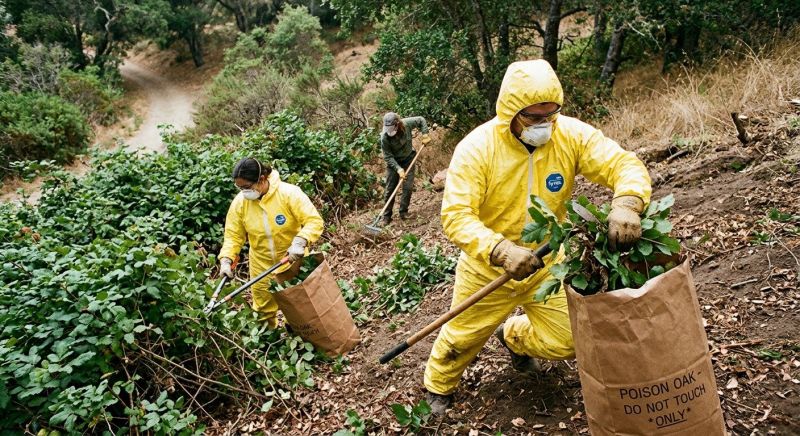
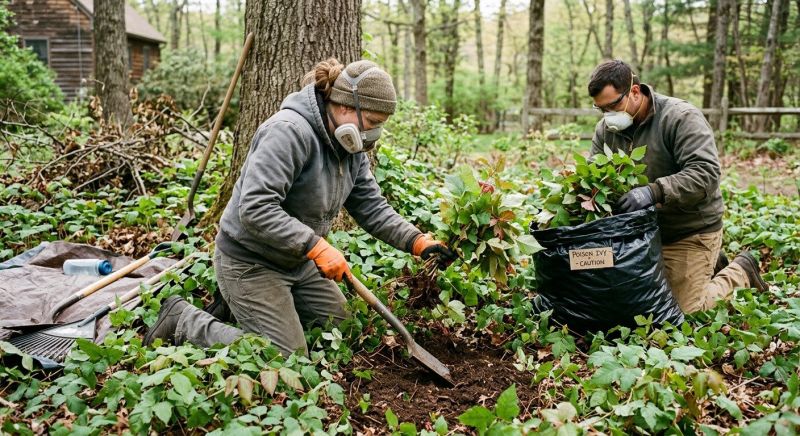
Poison ivy removal services focus on safely eliminating this common plant from residential properties, helping homeowners maintain a safe and enjoyable outdoor space. These services typically cover projects such as clearing poison ivy from yards, gardens, fences, and wooded areas, including difficult-to-reach spots like tree branches and dense underbrush. Property owners often want to understand the best methods for removal, the potential risks involved, and how to prevent future growth to protect children, pets, and themselves from contact with the plant’s skin-irritating oils.
Before requesting poison ivy removal, property owners usually seek clarity on the extent of the infestation, the techniques used for safe removal, and whether the plant will be fully eradicated. It’s also helpful to know if the removal process involves cutting, digging, or herbicide application, as well as any necessary follow-up treatments to prevent regrowth. Clear communication about these aspects can help ensure the project aligns with safety concerns and property maintenance goals.
Many property owners in Burlington County, NJ look into Poison Ivy Removal for repairs, replacements, upgrades, and appearance-related improvements.
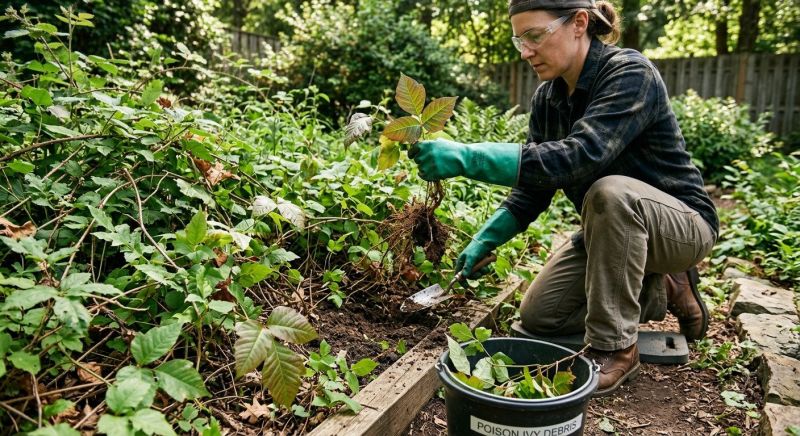
Poison Ivy Control
Effective removal helps protect your landscape and prevents skin irritation.
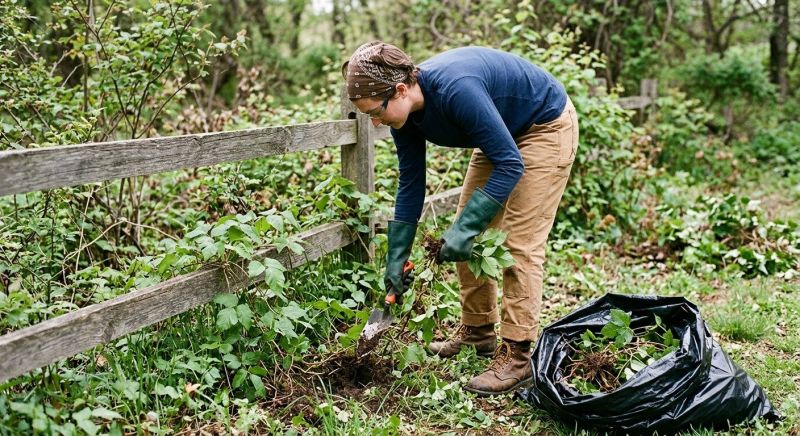
Property Safety
Removing poison ivy reduces the risk of accidental contact for families and visitors.
Landscaping Maintenance
Professional removal supports the health and appearance of your yard in burlington county, nj.
Poison Ivy Removal in Burlington County, NJ
Poison ivy removal services focus on safely eliminating this common plant from residential properties, helping homeowners maintain a safe and enjoyable outdoor space. These services typically cover projects such as clearing poison ivy from yards, gardens, fences, and wooded areas, including difficult-to-reach spots like tree branches and dense underbrush. Property owners often want to understand the best methods for removal, the potential risks involved, and how to prevent future growth to protect children, pets, and themselves from contact with the plant’s skin-irritating oils.
Before requesting poison ivy removal, property owners usually seek clarity on the extent of the infestation, the techniques used for safe removal, and whether the plant will be fully eradicated. It’s also helpful to know if the removal process involves cutting, digging, or herbicide application, as well as any necessary follow-up treatments to prevent regrowth. Clear communication about these aspects can help ensure the project aligns with safety concerns and property maintenance goals.
Many property owners in Burlington County, NJ look into Poison Ivy Removal for repairs, replacements, upgrades, and appearance-related improvements.
Common Poison Ivy Removal Jobs
Poison Ivy Removal - safely eliminates invasive plants from yards and landscapes.
Yard Clearing - removes poison ivy from lawns, gardens, and wooded areas.
Property Maintenance - prevents regrowth with targeted removal and control methods.
Landscaping Services - integrates poison ivy removal into regular yard and garden care.
Brush and Overgrowth Removal - clears thick vegetation that may harbor poison ivy.
Hazardous Plant Removal - addresses dangerous plants to ensure safe outdoor environments.
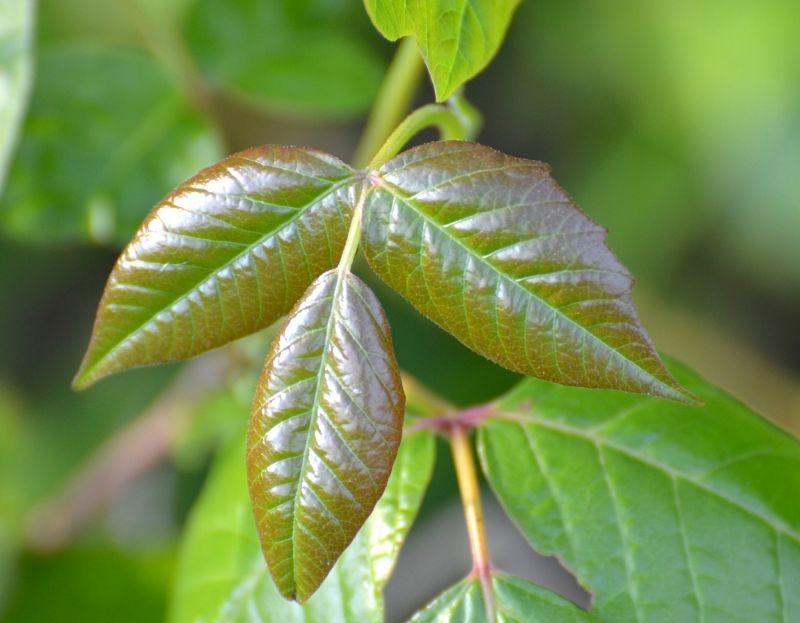
Poison Ivy Removal Questions
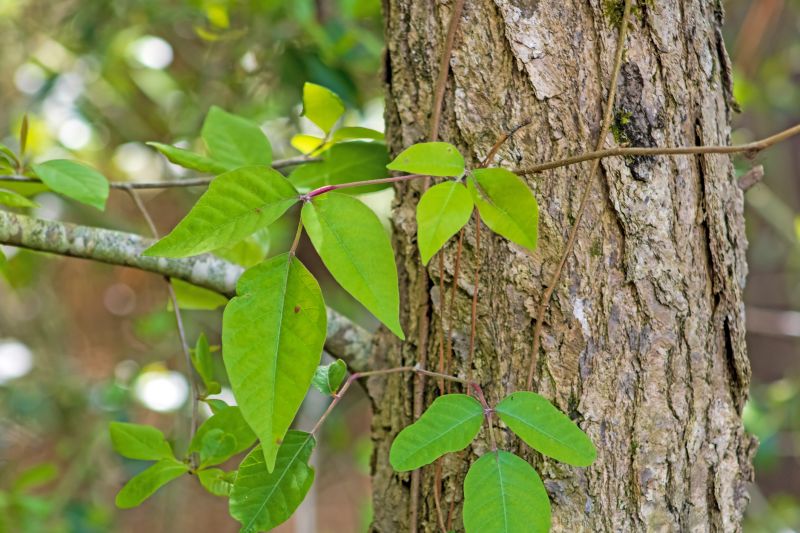
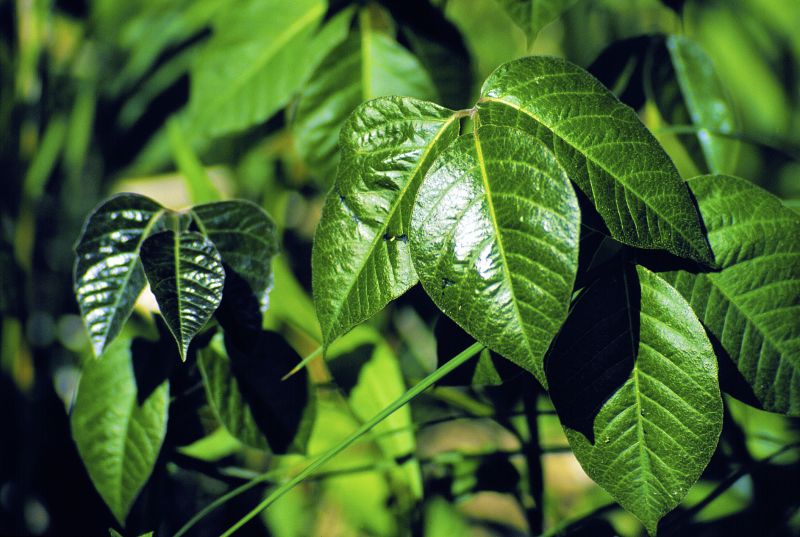
What is poison ivy removal? Poison ivy removal involves safely eliminating the plant from residential or commercial properties to prevent skin irritation and environmental spread.
When should poison ivy be removed? Removal is recommended when poison ivy plants are identified in high-traffic areas, near walkways, or where they pose a risk of contact.
How is poison ivy removal typically performed? The process includes carefully identifying and removing the plants, often through manual removal or targeted herbicide application, to ensure complete eradication.
Are there safety precautions during poison ivy removal? Proper protective gear, such as gloves and long sleeves, is used to prevent skin contact with the plants during removal efforts.
Request Poison Ivy Removal in Burlington County, NJ
Use the quote form on this page to share the basics of your project and request more information for the type of work you need.