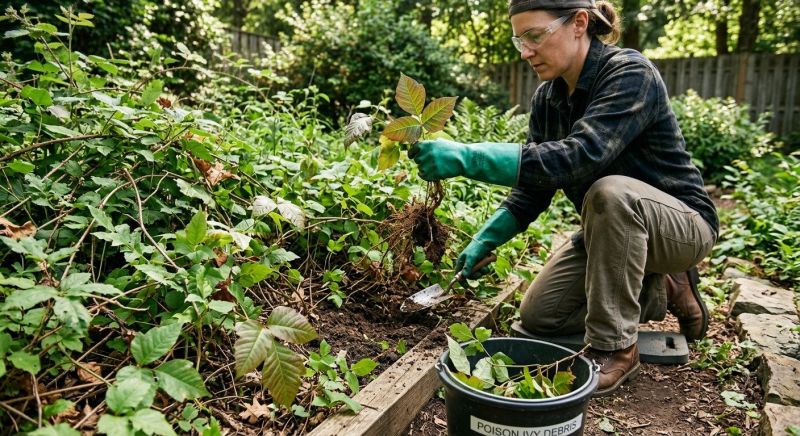
Poison Oak Removal in Harford County, MD
Poison oak removal services focus on safely eliminating this hazardous plant from residential properties. These services typically cover projects such as clearing overgrown areas, maintaining yards, or preparing outdoor spaces for activities like gardening, landscaping, or recreational use. Property owners interested in poison oak removal should understand the importance of proper identification and removal techniques to prevent skin irritation and allergic reactions, as well as to protect children, pets, and visitors from contact with the plant.
Before requesting poison oak removal, homeowners often want to know about the scope of the project, including the size of the affected area and whether the removal involves only visible plants or root systems as well. It’s also useful to understand the methods used for removal, whether manual or chemical, and any necessary follow-up treatments to prevent regrowth. Clear communication about property boundaries and specific concerns can help ensure the project addresses safety and aesthetic goals effectively.
Many property owners in Harford County, MD look into Poison Oak Removal for repairs, replacements, upgrades, and appearance-related improvements.

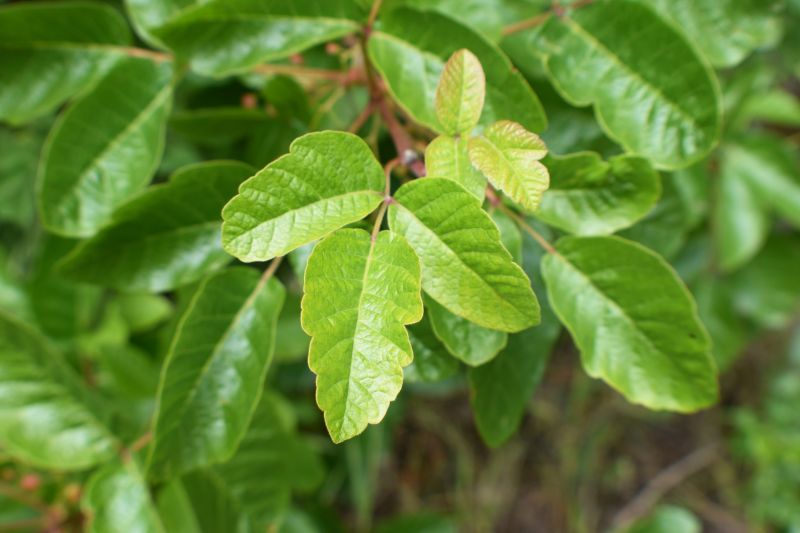
Poison Oak Identification
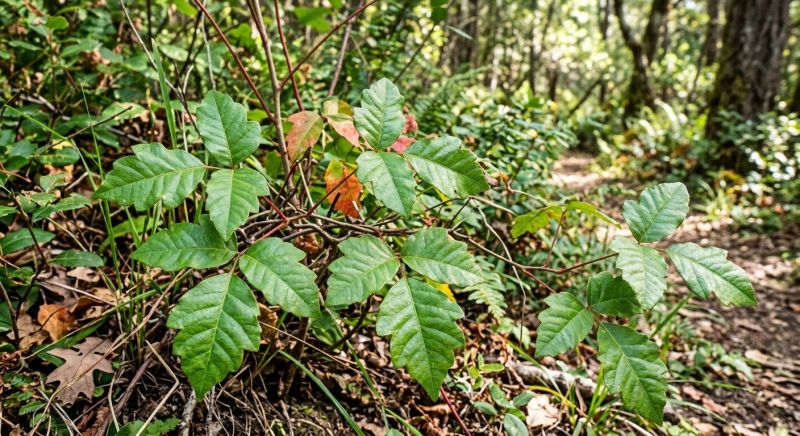
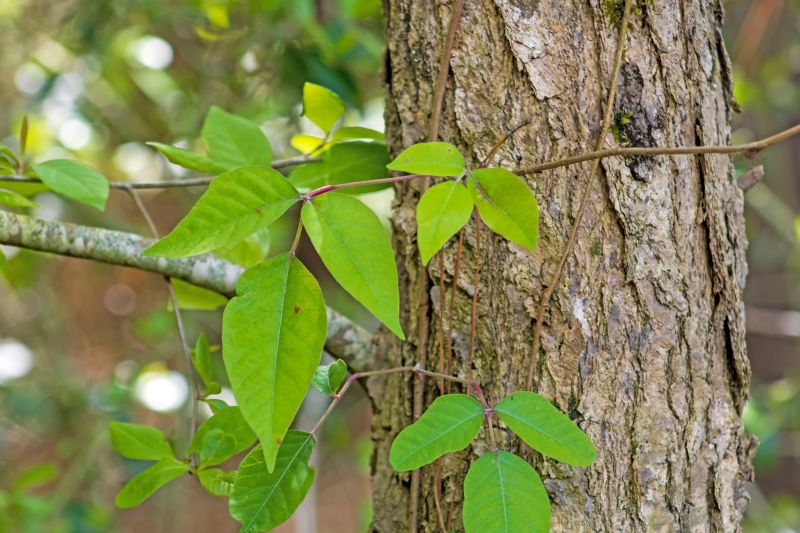
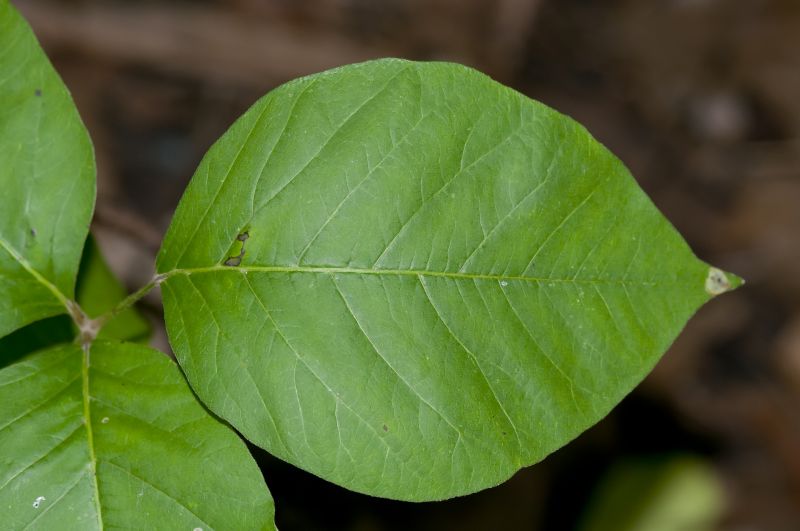
Recognizing poison oak can help prevent skin irritation and health risks on properties in harford county.
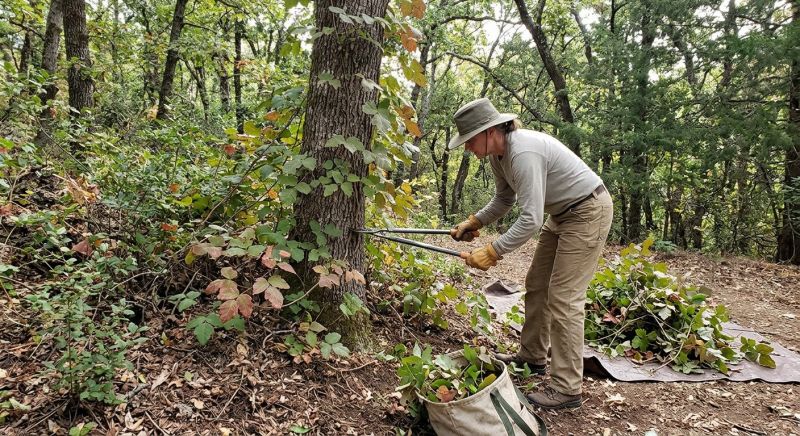
Safety During Removal
Proper removal techniques reduce exposure and ensure safe clearing of poison oak from residential and commercial landscapes.
Property Maintenance
Removing poison oak helps maintain a safe outdoor environment for families, pets, and visitors in harford county homes.
Poison Oak Removal in Harford County, MD
Poison oak removal services focus on safely eliminating this hazardous plant from residential properties. These services typically cover projects such as clearing overgrown areas, maintaining yards, or preparing outdoor spaces for activities like gardening, landscaping, or recreational use. Property owners interested in poison oak removal should understand the importance of proper identification and removal techniques to prevent skin irritation and allergic reactions, as well as to protect children, pets, and visitors from contact with the plant.
Before requesting poison oak removal, homeowners often want to know about the scope of the project, including the size of the affected area and whether the removal involves only visible plants or root systems as well. It’s also useful to understand the methods used for removal, whether manual or chemical, and any necessary follow-up treatments to prevent regrowth. Clear communication about property boundaries and specific concerns can help ensure the project addresses safety and aesthetic goals effectively.
Many property owners in Harford County, MD look into Poison Oak Removal for repairs, replacements, upgrades, and appearance-related improvements.
Common Poison Oak Removal Jobs
Poison Oak Removal Questions
What is poison oak removal? Poison oak removal involves safely eliminating the plant to prevent skin irritation and reduce its spread on the property.
When is poison oak removal recommended? Removal is advised when poison oak is present near high-traffic areas, landscapes, or where children and pets play.
How is poison oak removed? The process typically includes carefully cutting and removing the plants, followed by proper disposal to prevent regrowth.
Are there safety considerations during removal? Yes, protective clothing and equipment are important to avoid skin contact and allergic reactions during the process.
Request Poison Oak Removal in Harford County, MD
Use the quote form on this page to share the basics of your project and request more information for the type of work you need.