Get Hydromulching
Hydromulching services help property owners quickly establish erosion control, revegetate slopes, and improve soil stability for various landscaping and construction projects.
Hydromulching services provide a practical solution for property owners looking to establish or restore healthy turf, control erosion, or prepare landscaping projects efficiently. This method involves applying a mixture of mulch, seed, and water, creating a uniform cover that promotes quick grass growth and soil stabilization. Property owners in the area often consider hydromulching for large-scale projects, slope stabilization, or areas where traditional planting methods may be less effective, making it a versatile option for a variety of landscaping needs.
By exploring local contractors who specialize in hydromulching, property owners can compare options to find experienced service providers capable of handling different project sizes and requirements. Whether for residential, commercial, or land rehabilitation purposes, connecting with the right local experts can help ensure the work is completed effectively and in line with project goals. Keep reading to discover how local service providers can assist in achieving successful results for your property.
- Erosion Control - homeowners and contractors may need hydromulching services to prevent soil erosion on slopes or disturbed land.
- Landscaping Projects - property owners often seek hydromulching to establish new grass or vegetation quickly and effectively.
- Seeding and Revegetation - developers and land managers look for local contractors to help restore areas after construction or disturbance.
- Dust Suppression - agricultural or construction sites may require hydromulching to reduce airborne dust and debris.
- Slope Stabilization - engineers and landowners might need hydromulching to reinforce and stabilize steep or vulnerable areas.
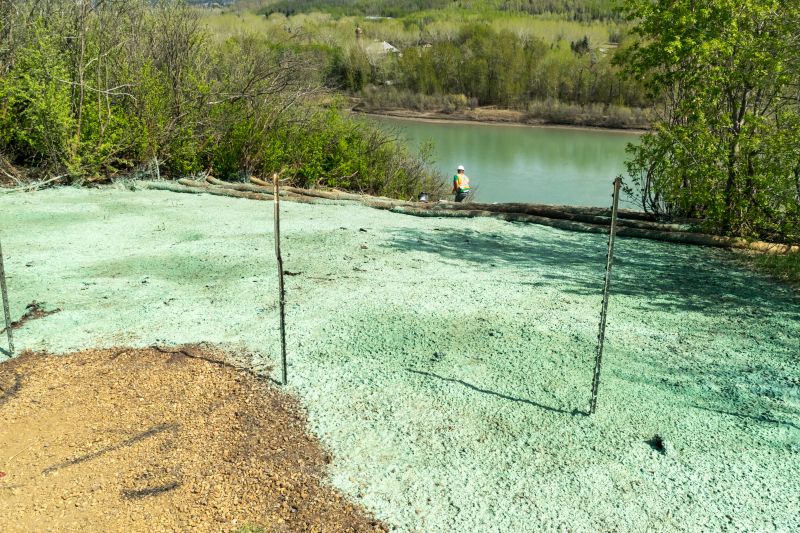
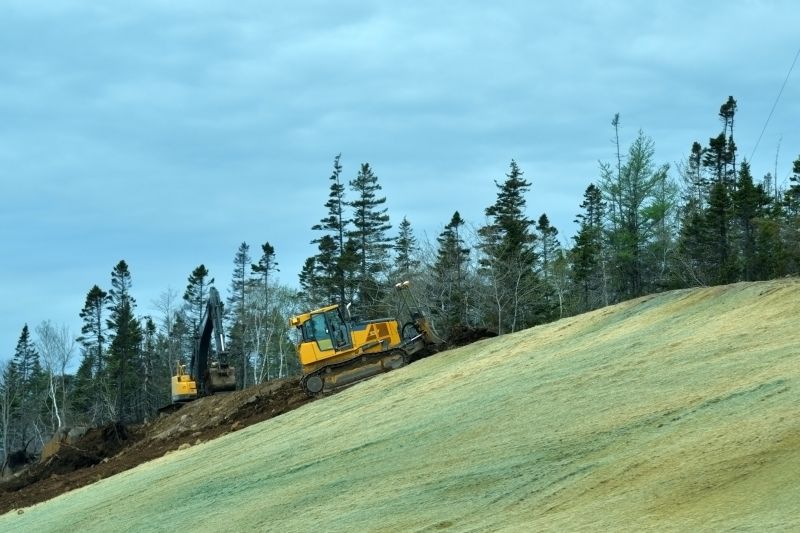
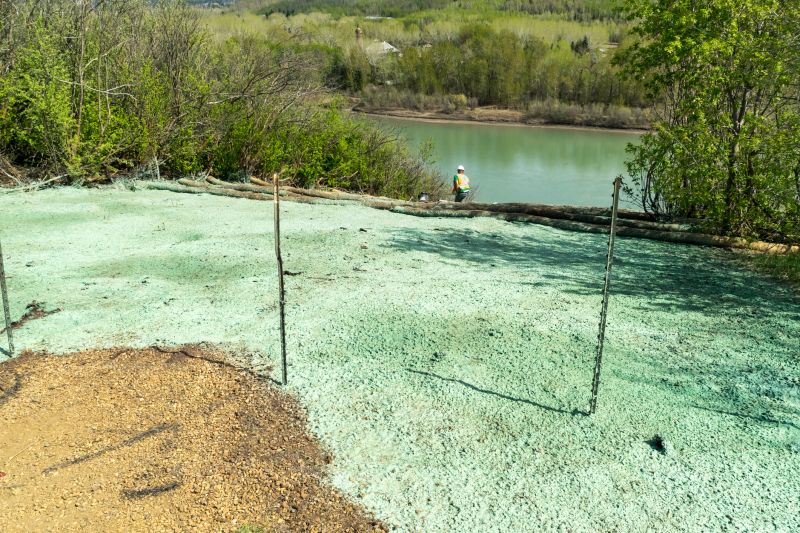
Hydromulching services involve applying a mixture of mulch, seed, fertilizer, and water to prepared soil surfaces using a specialized spraying process. This method creates a uniform layer that helps establish new grass or ground cover quickly and effectively. It is often used in landscaping projects, erosion control, and site restoration to promote healthy plant growth and improve soil stability. The process is typically faster and more efficient than traditional methods like hand-seeding or laying sod, making it a popular choice for large or difficult-to-access areas.
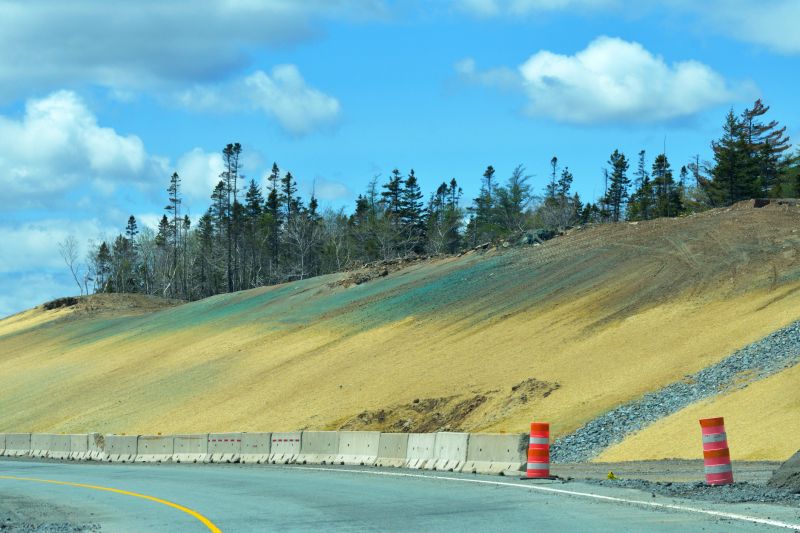
One of the primary problems hydromulching helps solve is soil erosion, especially on slopes or disturbed land. By creating a protective layer that holds soil in place, it prevents runoff and reduces the risk of erosion caused by wind or water. Additionally, hydromulching can help suppress weed growth, conserve moisture, and improve soil conditions, which are essential for successful plant establishment. This service is especially useful for projects involving construction sites, hillside landscaping, or areas prone to erosion that need quick stabilization and revegetation.
Hydromulching is commonly used on a variety of property types, including residential lawns, commercial landscapes, parks, and athletic fields. Homeowners may consider hydromulching when reseeding a lawn after construction or repair work, or when establishing a new yard on challenging terrain. Property managers and landscapers often turn to this service for large-scale projects that require rapid coverage and soil protection. It is also frequently utilized in government or private development projects where quick, effective ground stabilization is necessary to meet project timelines and prevent environmental issues.
For those considering hydromulching, local contractors can provide tailored solutions based on the specific needs of the property. Whether dealing with erosion problems, preparing a site for new planting, or restoring an area after construction, professional service providers can evaluate the site conditions and recommend the most suitable approach. Connecting with experienced local pros ensures that the work is performed efficiently and effectively, helping property owners achieve their landscaping or restoration goals with confidence.
The overview below groups typical Hydromulching projects into broad ranges so you can see how smaller, mid-sized, and larger jobs often compare in your area.
In many markets, a large share of routine jobs stays in the lower and middle ranges, while only a smaller percentage of projects moves into the highest bands when the work is more complex or site conditions are harder than average.
Smaller Repairs - Typically, smaller hydromulching projects such as patching or spot treatments cost between $250 and $600. Many routine jobs fall within this range, making it a common choice for minor landscape enhancements.
Medium-Size Projects - Larger areas like lawns or small slopes generally range from $600 to $1,500. Most local contractors handle projects of this size within this band, with some variations based on site specifics.
Large-Scale Installations - Extensive projects such as hillside erosion control or large turf areas can cost between $1,500 and $3,000. Fewer projects reach into this range, which is typical for substantial landscape overhauls.
Full Replacement or Complex Jobs - Very large or intricate hydromulching tasks, including multiple acres or specialized materials, can exceed $5,000. These projects are less common and usually involve detailed planning with local service providers.
Actual totals will depend on details like access to the work area, the scope of the project, and the materials selected, so use these as general starting points rather than exact figures.
Landscape Erosion Control Projects - local contractors use similar soil stabilization techniques and equipment to prevent erosion on slopes and embankments.
Seeding and Turf Establishment - professionals apply seed and soil treatments that require precise planning and equipment akin to hydromulching methods.
Soil Stabilization for Construction Sites - service providers utilize similar application tools and planning to prepare disturbed soils for construction projects.
Revegetation and Reforestation Projects - local pros employ spray-on methods comparable to hydromulching to establish vegetation on large areas.
Dust Control Applications - contractors use spray techniques and equipment similar to hydromulching to minimize airborne dust on construction sites.
Slope Restoration and Rehabilitation - specialists plan and execute soil covering solutions that involve similar tools and techniques as hydromulching services.
When comparing service providers for hydromulching, it’s important to consider their experience with projects similar to the one at hand. Homeowners should inquire about the types of landscapes or soil conditions the contractors have worked with previously, as well as the complexity and scale of those jobs. An experienced contractor will be familiar with best practices for various terrain types and can demonstrate a history of successful projects, which can help ensure the work will meet expectations.
Clear, written expectations are essential when evaluating local contractors. Homeowners should seek detailed descriptions of the scope of work, materials used, and any specific techniques that will be employed. Having this information in writing helps prevent misunderstandings and provides a basis for comparing different service providers. It’s also helpful to ask for reputable references or examples of past work, so that homeowners can verify the quality and reliability of the contractor’s services.
Effective communication is a key factor in choosing a reliable hydromulching contractor. Homeowners should look for service providers who are responsive to questions, transparent about their processes, and willing to explain their approach. Good communication ensures that expectations are aligned and that any concerns can be addressed promptly. While this site introduces homeowners to local options, it’s important to remember that it is not involved in performing the work itself; instead, it helps connect homeowners with qualified local contractors who can handle the project professionally.
Property owners use Hydromulching services for practical projects around their homes and businesses. This guide focuses on everyday jobs and straightforward project options.
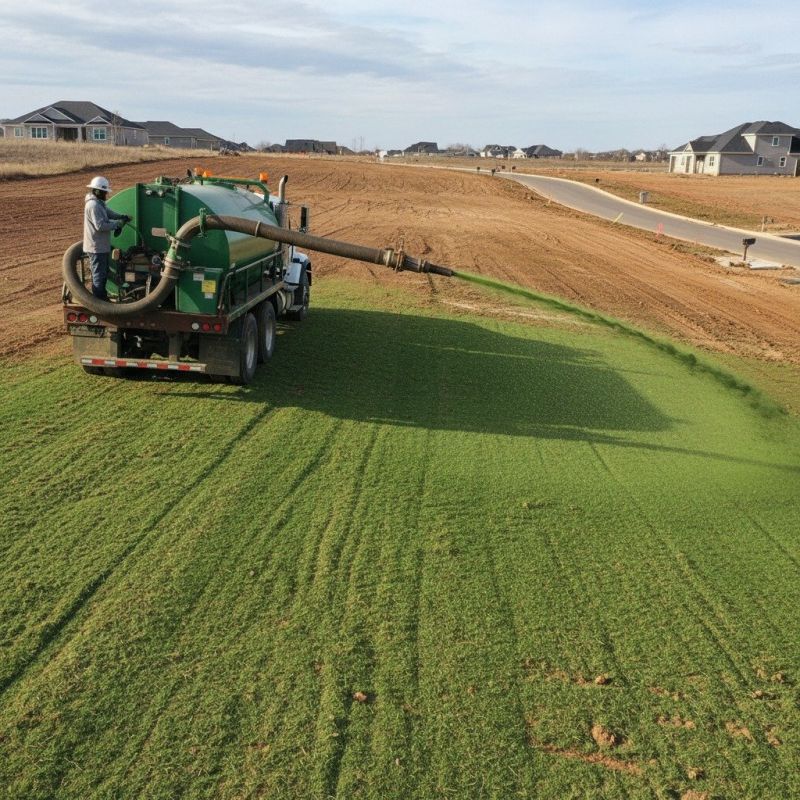
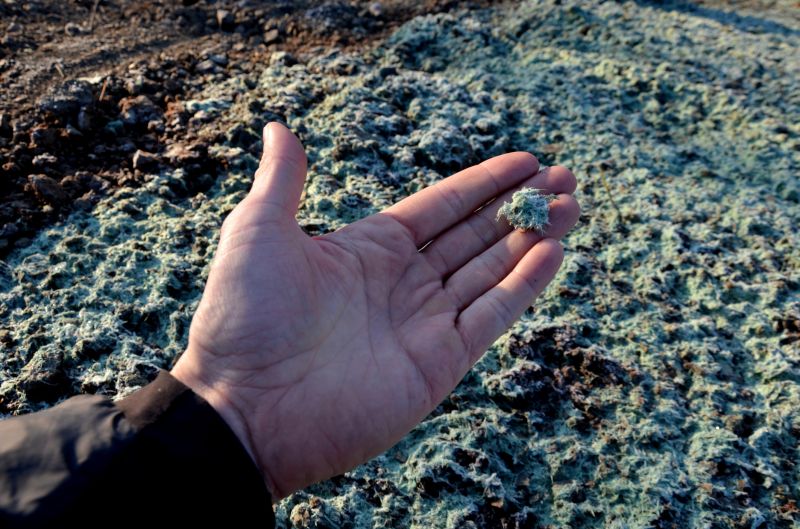
Hydromulching services are commonly sought after by property owners tackling erosion control, landscaping projects, or revegetation efforts. Whether restoring a bare patch after construction or preparing a new lawn, local contractors can provide a quick and effective solution to stabilize soil and promote healthy growth. This method is also useful for managing dust and runoff on slopes or large open areas, making it a practical choice for various property maintenance needs.
Many property owners in the area turn to local service providers for hydromulching when looking to improve the appearance and stability of outdoor spaces. From establishing ground cover on disturbed land to creating a uniform landscape, these professionals offer the expertise to handle different project sizes and types. Connecting with experienced contractors can help ensure the work is done efficiently and appropriately for the specific conditions of each property.
What is hydromulching used for? Hydromulching is commonly used for erosion control, seed protection, and establishing vegetation on slopes, landscaping projects, or large soil areas.
How does hydromulching work? Hydromulching involves spraying a mixture of mulch, seeds, and additives onto prepared soil to promote quick coverage and plant growth.
Are hydromulching services suitable for large areas? Yes, local contractors often provide hydromulching for large-scale projects such as construction sites, landscaping, and erosion prevention on hillsides.
What types of mulch are used in hydromulching? Common types include wood fiber, paper, straw, or other organic materials, depending on the project needs and soil conditions.
Can hydromulching be customized for different landscaping goals? Yes, service providers can tailor hydromulching mixes with specific seed types and additives to meet various landscaping or erosion control objectives.
Erosion Control - Hydromulching can be used to stabilize soil on slopes or disturbed areas to prevent erosion and improve landscape stability.
Landscape Restoration - Property owners can utilize hydromulching to quickly establish ground cover after construction or landscaping projects.
Seed Protection - Applying hydromulch helps protect newly seeded areas from wind and water runoff, supporting healthy grass or plant growth.
Fire-Resistant Landscaping - Hydromulching can be part of a fire-resistant landscape plan to create defensible spaces around properties.
If you are thinking about Hydromulching for a property, this guide is meant to help you understand the work, the typical project types, and how different options might fit your plans.
When you are ready, you can use the quote form on this page to share a few details about your project. From there, local pros can review the basics and respond with options that match what you have in mind.