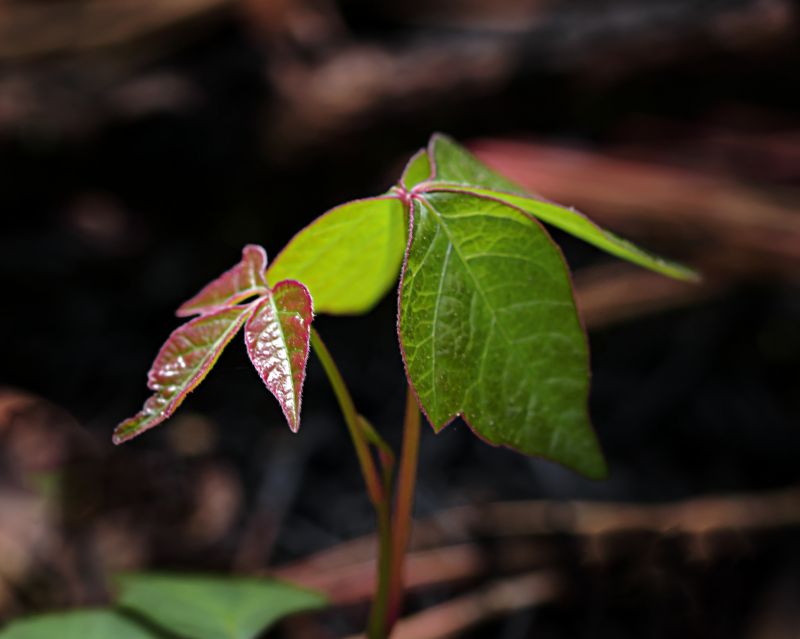
Poison Ivy Removal in Lancaster County, PA
Poison ivy removal services are designed to help homeowners safely eliminate this invasive plant from their properties. These services typically cover a variety of projects, including clearing poison ivy from yards, gardens, fence lines, and wooded areas. Property owners often want to understand the scope of the removal process, the methods used to ensure complete eradication, and any precautions needed to prevent future growth. Proper removal helps protect families, pets, and visitors from the skin irritation and allergic reactions caused by contact with poison ivy.
Before requesting poison ivy removal, property owners should consider the extent of the growth and the locations where the plant is present. It's important to identify whether the poison ivy is growing near desirable plants, structures, or high-traffic areas. Understanding the specific areas of concern and the potential for regrowth can help determine the best approach for effective removal. Clear communication about the size of the affected area and any safety considerations can facilitate a smooth and thorough process.
Many property owners in Lancaster County, PA look into Poison Ivy Removal for repairs, replacements, upgrades, and appearance-related improvements.
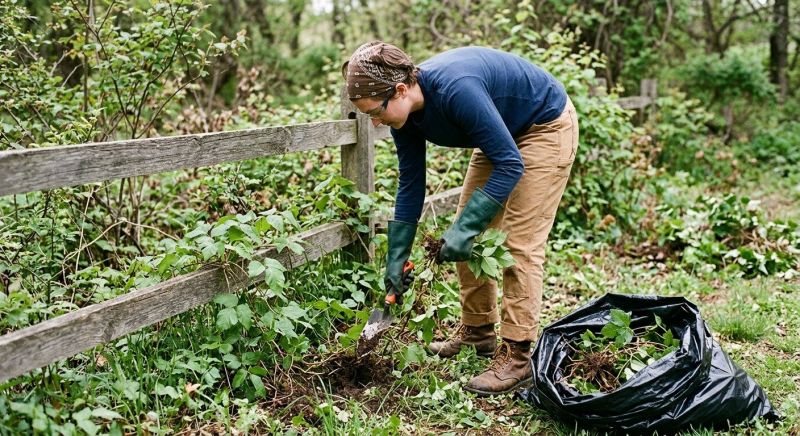
Identifying Poison Ivy
Learn how to recognize poison ivy and prevent accidental contact on your property.
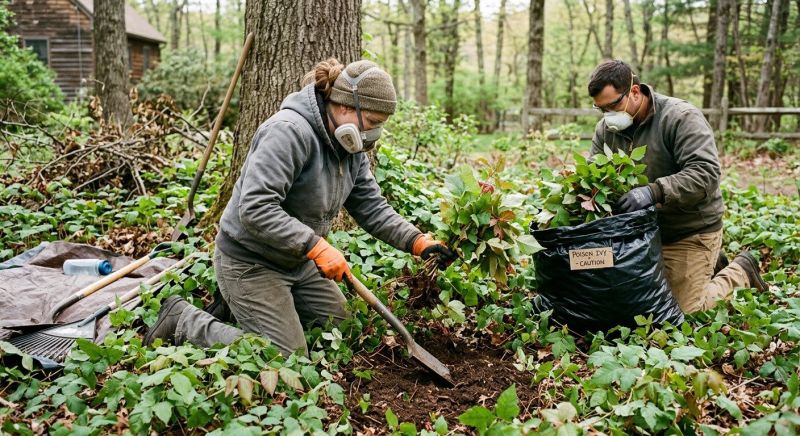
Safe Removal Techniques
Proper removal methods ensure the plant is eliminated without spreading oils that cause skin irritation.
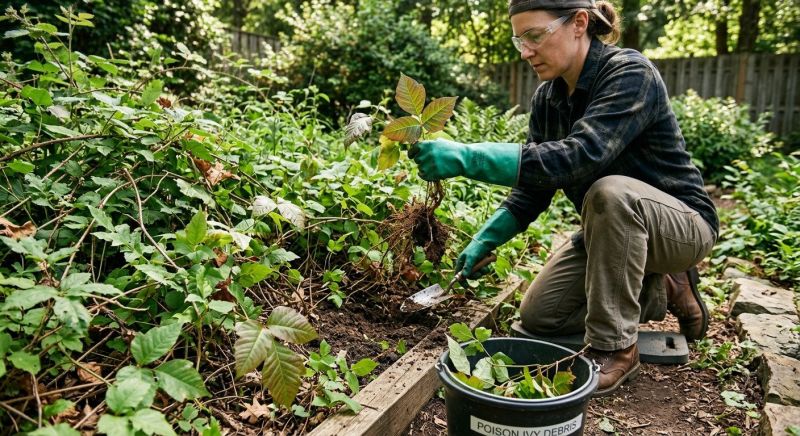
Property Maintenance Tips
Regular upkeep can reduce poison ivy growth and keep outdoor spaces safe for family and pets.
Poison Ivy Removal in Lancaster County, PA
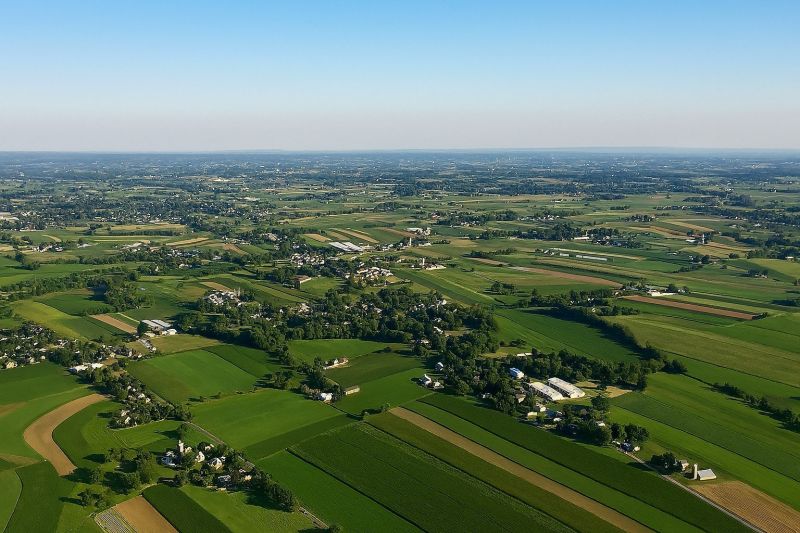
Poison ivy removal services are designed to help homeowners safely eliminate this invasive plant from their properties. These services typically cover a variety of projects, including clearing poison ivy from yards, gardens, fence lines, and wooded areas. Property owners often want to understand the scope of the removal process, the methods used to ensure complete eradication, and any precautions needed to prevent future growth. Proper removal helps protect families, pets, and visitors from the skin irritation and allergic reactions caused by contact with poison ivy.
Before requesting poison ivy removal, property owners should consider the extent of the growth and the locations where the plant is present. It's important to identify whether the poison ivy is growing near desirable plants, structures, or high-traffic areas. Understanding the specific areas of concern and the potential for regrowth can help determine the best approach for effective removal. Clear communication about the size of the affected area and any safety considerations can facilitate a smooth and thorough process.
Many property owners in Lancaster County, PA look into Poison Ivy Removal for repairs, replacements, upgrades, and appearance-related improvements.
Common Poison Ivy Removal Jobs
Poison Ivy Removal - safely eliminates poison ivy from lawns, gardens, and wooded areas.
Yard Clearing - removes invasive plants to promote healthy landscape growth.
Property Maintenance - manages overgrown brush and vines for a cleaner outdoor space.
Landscape Enhancement - clears poison ivy to prepare areas for planting or recreation.
Brush and Vine Removal - targets thick vines and brush that pose health risks.
Vegetation Control - prevents regrowth of poison ivy and similar invasive species.
Poison Ivy Removal Questions
What causes poison ivy to grow on properties? Poison ivy spreads through underground roots and airborne seeds, often appearing in shaded, disturbed areas of lawns, gardens, and wooded spaces.
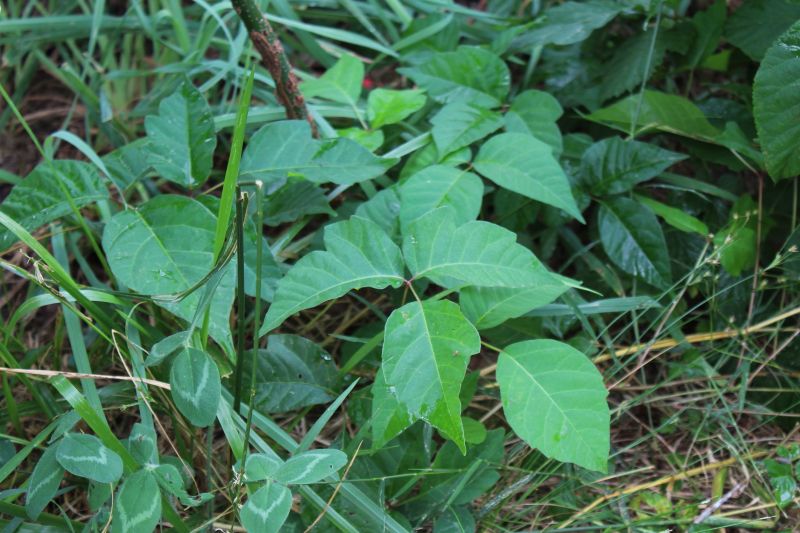
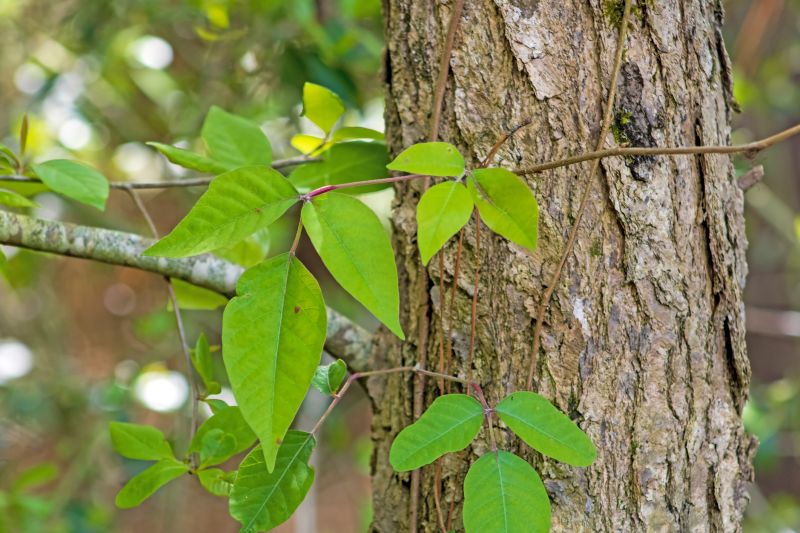
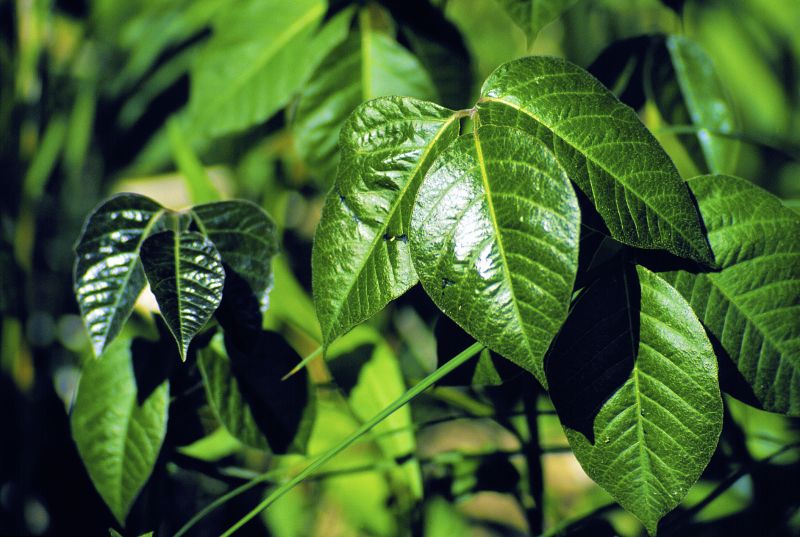
How can property owners identify poison ivy? It typically has three leaflets with a shiny, pointed appearance and may develop clusters of greenish flowers or white berries.
Is poison ivy removal safe for my landscape? Yes, professional removal methods are designed to safely eliminate the plant while minimizing impact on surrounding plants and the environment.
What areas are commonly affected by poison ivy on properties? Common locations include along fences, in shaded garden beds, under trees, and in overgrown areas of lawns or wooded sections.
Request Poison Ivy Removal in Lancaster County, PA
Use the quote form on this page to share the basics of your project and request more information for the type of work you need.